How 200k Small Fleets Chose Hilux & Hardbody in the ’80s
Readers will discover how Toyota’s Hilux and Nissan’s Hardbody quietly reshaped small‑business fleets in the 1980s. Most guides overlook the tax loopholes and durability quirks that made the boom possible.
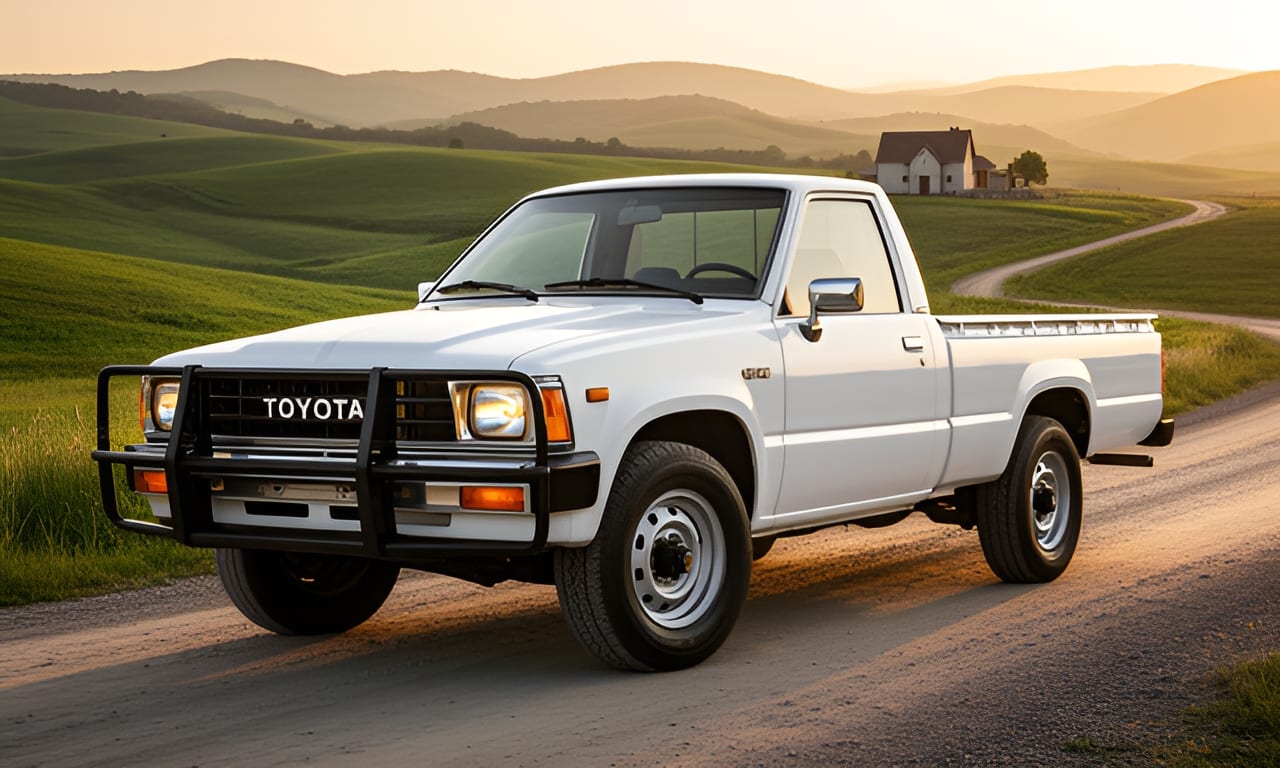
When a fledgling contractor in 1983 tried to stretch a $15,000 budget across a crew, a single miscalculation about vehicle depreciation could sink the whole operation. At that time, most small‑business owners faced a choice between a rust‑prone domestic truck that guzzled fuel and a foreign mid‑size pickup that promised mileage and a tighter turning radius. The decision boiled down to whether the upfront premium for a Toyota Hilux or Nissan Hardbody would be recouped through lower operating costs before the next tax cycle.
What made the Hilux a workhorse for tight budgets?
Cost considerations tipped the scales because the Hilux’s diesel engine delivered roughly eight miles per gallon on highway runs, shaving gallons off a typical 1,500‑mile month. Unlike many U.S. pickups that required a full‑size V6 to move a similar payload, the Hilux’s 2.4‑liter four‑cylinder kept insurance brackets in the lower tier. The lighter curb weight also meant tire wear slowed to a crawl, extending the replacement interval beyond the average for comparable American models.
Engine architecture borrowed from Toyota’s commercial line featured a mechanically driven fuel pump that resisted clogging even after weeks of idling on a job site. The timing chain, not a belt, eliminated a scheduled replacement that would otherwise add several hundred dollars to a maintenance schedule. Rough‑road durability stemmed from a reinforced crankcase that survived the constant low‑speed torque spikes generated by back‑hauling lumber.
Why the Nissan Hardbody stole the reliability crown?
Supply dynamics played a surprising role when Nissan flooded the North American market with the D21 Hardbody, undercutting competing imports on volume alone. Dealerships that stocked the Hardbody could offer same‑day delivery, a perk that saved contractors days of downtime waiting for a truck to arrive from the West Coast port. The model’s simple leaf‑spring rear suspension required only bolt‑on adjustments, allowing a shop mechanic to tune ride height without specialty tools.
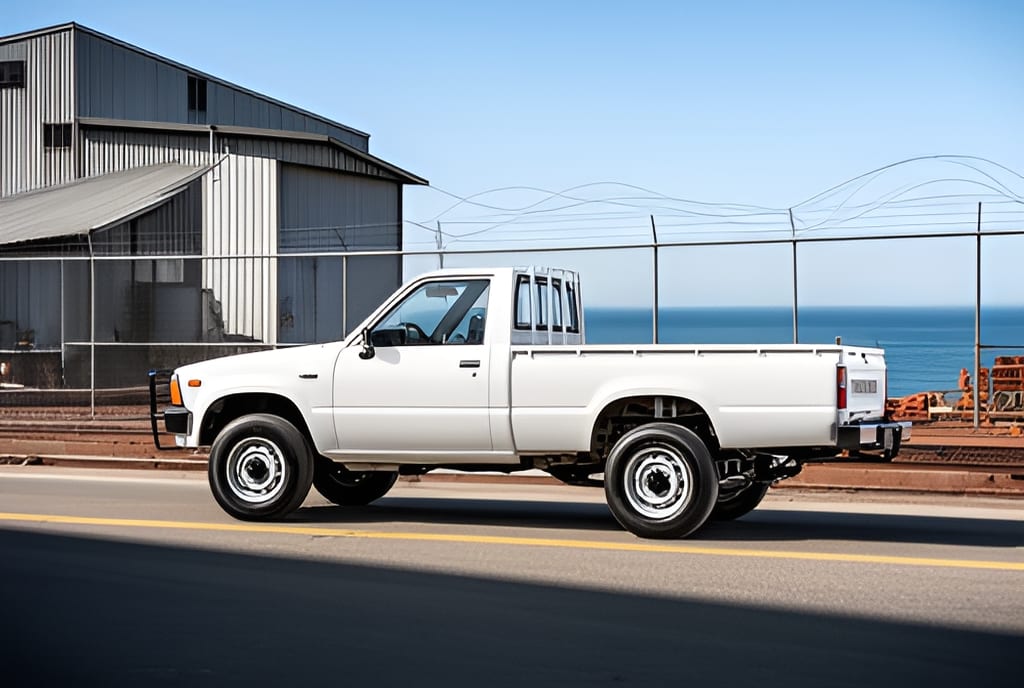
Frame construction used a high‑strength C‑channel that resisted the corrosion common in coastal shipyards where many of its early adopters worked. The ladder‑type underbody was deliberately left exposed, making rust inspections a quick visual task rather than an invasive teardown. Because the Hardbody shared many parts with the larger Nissan Patrol, owners could cannibalize components from a retired off‑road sibling when a single axle failed.
How did dealers and import rules fuel the boom?
Import regulations in the early 1980s granted a tariff exemption to vehicles under 3,500 pounds, a sweet spot the Hilux and Hardbody both hit without sacrificing payload. This loophole forced domestic manufacturers to redesign their larger trucks, a process that would not finish until the early 1990s, leaving a vacuum that foreign midsize pickups eagerly filled.
Tax incentives for equipment purchases allowed businesses to write off a larger portion of a truck’s cost in the first year, turning the modest price differential into a cash‑flow advantage. State‑level registration fees were calculated on vehicle weight, so the lighter pickups enjoyed lower plates and annual renewal charges compared with their beefier rivals.
Warranty packages offered by Japanese manufacturers extended three years or 50,000 miles, a promise that outlasted the typical two‑year bumper‑to‑bumper coverage from U.S. makers. Because the warranty covered major power‑train components, owners could defer expensive overhauls until the warranty expired, effectively borrowing service time from the factory.
What practical steps today can revive a ’80s fleet?
Step one involves a full chassis inspection, looking for rust at the front crossmember, rear leaf‑spring mounts, and under the fuel tank, areas that historically suffered from salt‑air exposure. Step two recommends sourcing a rebuilt diesel block from a reputable exporter; these units typically arrive in a condition that avoids a complete engine rebuild and cost a few thousand to several tens of thousands depending on mileage.
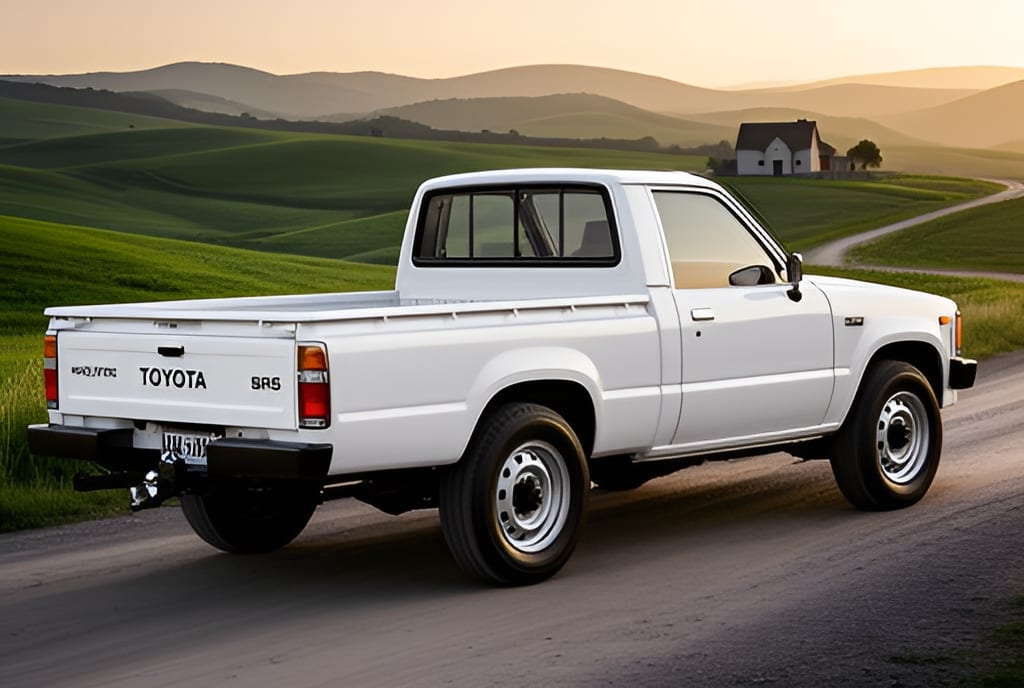
Budget planning should allocate roughly half of the total spend to mechanical refurbishment, while the remaining half covers interior refurbishment, paint, and compliance upgrades such as updated lighting. Setting aside a contingency of about ten percent cushions unexpected expenses like seized calipers or warped brake drums that often hide behind a decent‑looking exterior.
Timeline expectations must account for parts lead times; a single rear axle from a salvage yard can take three to six weeks to arrive, especially if the donor vehicle originates overseas. Aligning the rebuild schedule with a low‑season for the business ensures the truck is out of service when demand dips, turning a necessary downtime into a strategic pause.
What should you double‑check before signing any paperwork?
Before you hand over a deposit, verify that the seller holds a clean title free of salvage stamps, as a rescued frame can carry hidden liens that later transfer to the buyer. Cross‑reference the VIN against the manufacturer’s service database to confirm that the mileage reading matches recorded maintenance events, catching odometer roll‑backs before they become a legal headache. Finally, request a copy of the original build sheet; it lists factory‑installed options that affect emissions compliance and may dictate whether the vehicle can be legally registered in your state.
Keep reading

Why 2024 Diesel Rules Can Add Thousands to Classic Pickup Costs
You’ll learn how recent emission mandates turned beloved diesel pickups into costly liabilities. Most guides miss the hidden compliance fees that explode the budget.

Why 1970s Full‑Size Pickups Drain Thousands in Hidden Repairs
You’ll discover how the once‑prized 1970s full‑size pickups become money‑sucking collector traps. Most guides gloss over rust‑induced chassis failures and the true cost of keeping them road‑legal.